GPs in England to Get £40 Million to Keep 300,000 Vulnerable Patients Out of Hospital This Winter
GP practices in England will receive £40 million to proactively support up to 300,000 vulnerable patients this winter, in a government programme aimed at preventing serious illness and reducing avoidable hospital admissions during the busiest months for the NHS.
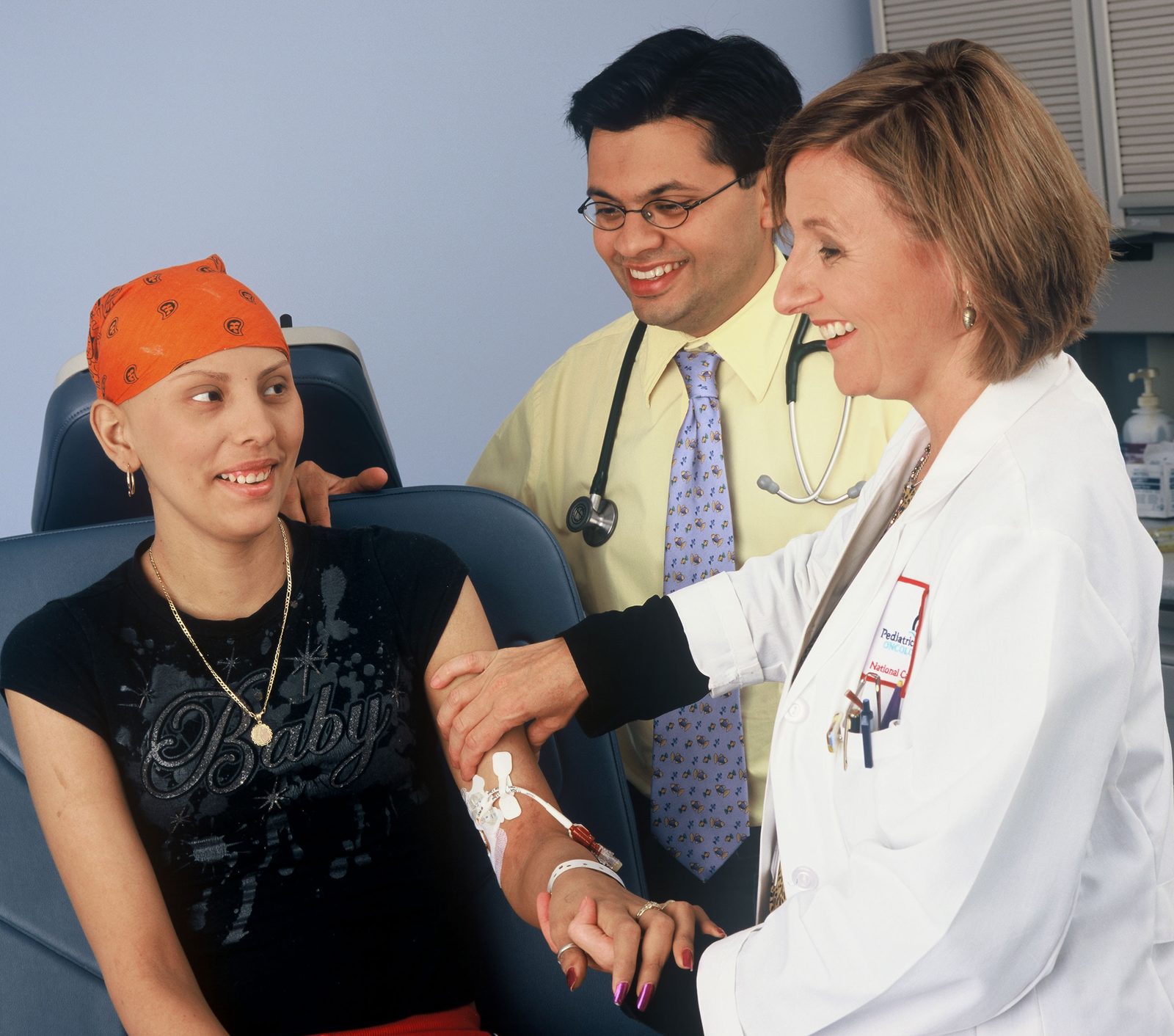
Up to 300,000 vulnerable patients in England will receive extra support from their GP this winter under a £40 million government programme designed to prevent serious illness and reduce avoidable hospital admissions, ministers have announced.
The scheme, set out by Prime Minister Andy Burnham and Health Secretary Yvette Cooper on 9 November, will pay GP practices to identify the patients they consider most at risk of becoming seriously unwell during the colder months and to intervene before their condition deteriorates. It is aimed particularly at people living with heart disease, frailty, emphysema and other forms of chronic obstructive pulmonary disease (COPD).
The extra support can include medication reviews, health checks, home assessments intended to prevent falls, and nurse-led respiratory clinics. The government said the aim was to keep people well at home, easing pressure on emergency departments at the point of the year when hospitals traditionally face their heaviest demand.
"If we want to take the pressure off our hospitals this winter, we've got to keep people well at home," Burnham said in the government's announcement. "So we're backing GPs to reach the most vulnerable people early, before a small problem turns into a trip to A&E."
How the scheme will work
The funding is ring-fenced and will flow through primary care networks, the groups of GP practices that work together to serve local populations. Networks will be able to receive £126 for each eligible patient they support, with each network's entitlement based on a share of its registered population identified as being at the greatest risk of an avoidable hospital admission.
NHS England has published a variation to the contract governing the networks to put the proactive care scheme in place for this winter. In a letter to practices, Dr Amanda Doyle, NHS England's national director for primary care and community services, said networks would have flexibility to decide the response that best meets each patient's needs. Doyle said GPs and their teams were well placed to spot the patients at greatest risk of becoming very unwell, and that offering support such as home assessments would help keep them out of hospital.
Cooper said the plan formed part of wider preparations for winter, alongside the flu vaccination programme, extra urgent care capacity and closer working with social care services. By 1 November, more than 13.6 million people in England had received a flu vaccine, about 300,000 more than at the same point last year, according to the government. The NHS also received £190 million in the Budget to manage winter pressures, alongside £140 million for 14 new urgent care schemes.
Where the money comes from
The £40 million is not new money for general practice. The government has confirmed that the funding is being reallocated from within existing GP budgets for the 2026/27 financial year, in order, it said, to direct resources towards winter preparedness and preventive care.
That detail has drawn criticism from doctors' representatives. The British Medical Association told the GP magazine Pulse that the funding was repurposed money being taken from individual practices and moved to primary care networks, which it said would threaten the sustainability of local surgeries. The association linked the reallocation to NHS England's ongoing programme of validating practice patient lists.
Ministers have defended the approach, arguing that ring-fencing the money guarantees it is spent on proactive care for the patients most likely to need hospital treatment if their health deteriorates unnoticed. Health Minister Karin Smyth confirmed to Times Radio that the £40 million had been reallocated from existing budgets.
Reaction from the profession
Professional bodies have broadly welcomed the focus on prevention while raising questions about delivery. Professor Victoria Tzortziou Brown, president of the Royal College of GPs, welcomed the emphasis on supporting patients at greatest risk, but cautioned that short-term initiatives alone could not deliver sustained improvements for people with complex needs, and said the scheme's evaluation should inform a longer-term approach backed by sustainable investment.
The Royal College of Nursing warned that the winter plan would succeed only if the whole general practice workforce, including practice nurses, were placed at the heart of planning and delivery. Dr Matt Swallow, clinical lead at Asthma + Lung UK, said the investment was a positive step for people with COPD, for whom cold weather and seasonal infections can trigger dangerous flare-ups.
The government says there are now more than 30,500 fully qualified full-time equivalent GPs working in England, over 2,800 more than in July 2024. Whether the programme meets its target of reaching up to 300,000 patients will be tested over the coming months, as winter pressures build.