Japan stun Brazil 3-2 in stoppage time as Ancelotti and Raphinha see red
Japan beat Brazil 3-2 in Singapore with a stoppage-time winner from substitute Tatsuhiro Sakamoto, avenging their World Cup defeat as the Brazil coach and captain were sent off.
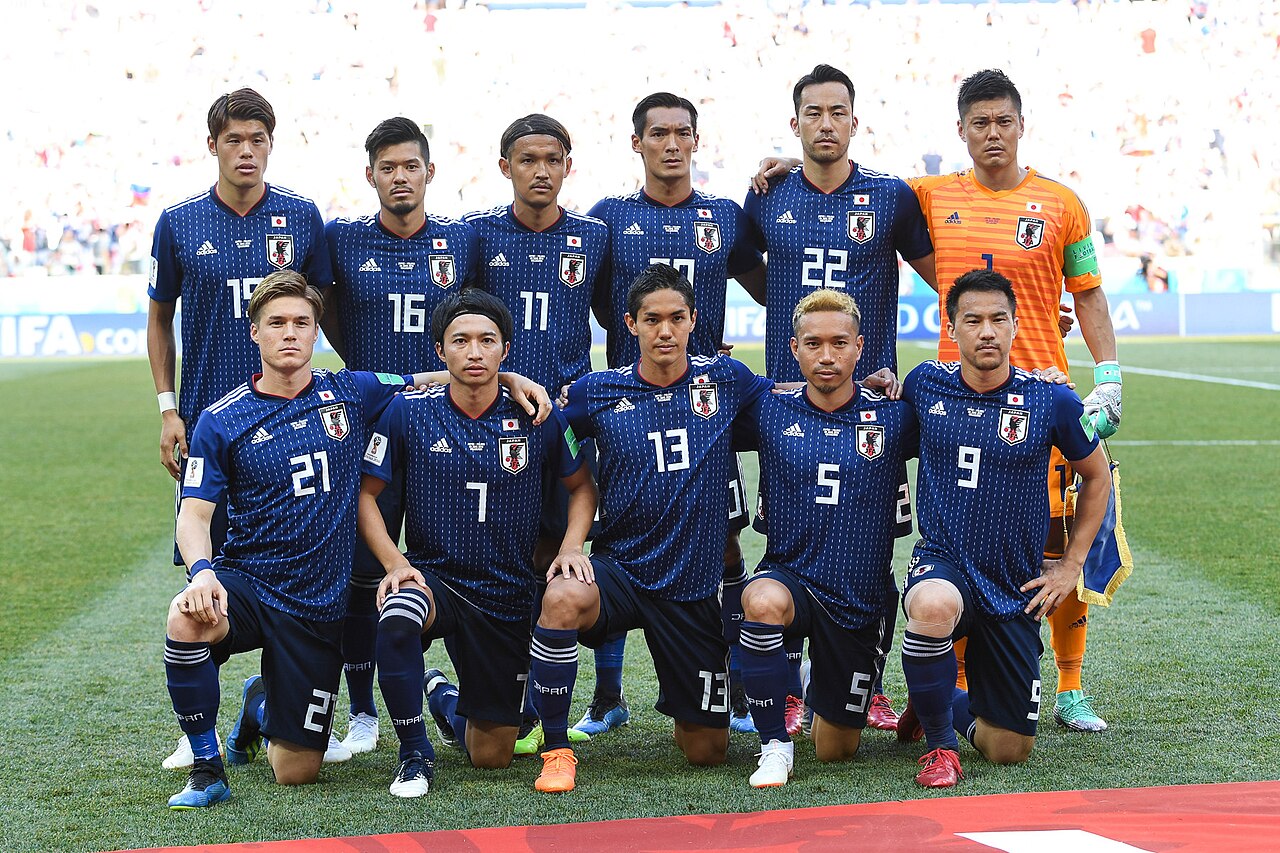
Japan avenged their World Cup heartbreak against Brazil in dramatic fashion on Saturday, beating the five-time world champions 3-2 in Singapore with a stoppage-time winner, after both the Brazil coach and captain had been sent off.
Substitute Tatsuhiro Sakamoto netted his first international goal with a late winner as Japan edged Brazil at the National Stadium in front of 38,688 people, in a friendly that had everything: a two-goal lead thrown away, a furious fightback, a disputed winning goal and two red cards.
Brazil forward Raphinha and manager Carlo Ancelotti were shown red cards for protesting against a referee's decision in the closing stages, a chaotic ending to a match that Japan will remember for years and Brazil will want to forget.
The victory carried added significance for Japan, who suffered a heartbreaking exit to Brazil in the World Cup round of 32 in June. On that occasion, Gabriel Martinelli struck in stoppage time to complete a 2-1 comeback win for the South Americans. This time, it was Japan who struck late.
A two-goal lead, then a fightback
Japan made a flying start. Strikes by Takefusa Kubo and Keito Nakamura put the Samurai Blue 2-0 up inside the opening 19 minutes, and for a while it looked as though the Asian side might run away with the match.
Brazil, however, are not a team that surrenders easily. A brilliant brace by Vinicius Jr erased the two-goal deficit and dragged the South American giants back into the game, and the momentum shifted firmly in their favour as the second half wore on.
The match was finely balanced as it entered stoppage time, with both sides pushing for a winner. Then came the decisive moment. Sakamoto was in the right place to fire home after latching on to Kodai Sano's deflected effort, sending the Japanese supporters in the stadium into delirium and giving his side a famous victory.
It was a goal that owed something to fortune, a deflection falling kindly for the substitute, but Sakamoto's finish was assured.
Red cards and a disputed winner
Brazil appealed for a foul in the build-up to the goal, but the video assistant referee upheld it, and the protests that followed cost them dearly. Raphinha and Ancelotti were both shown red cards for their protests, and the Brazilian captain had to be led away by midfielder Marlon Gomes and team officials as he tried to approach referee Jansen Foo, who was instead confronted by Vinicius and Bruno Guimaraes.
Ancelotti said afterwards that the referee had given him a red card because he said he was not able to control the bench. He was philosophical about the defeat, saying there were many positives, with some players appearing for the first time showing good quality, and that for 70 minutes the team had played well.
He was less generous about the officiating, saying the result had obviously been influenced by the referee's performance, though it was not the referee's fault.
Raphinha was still fuming after the match. He began by apologising for his behaviour and for being sent off, but went on to criticise the referee's decisions, saying it was sometimes hard to keep calm after what he felt were so many refereeing errors. He said he had tried to speak to the referee several times and had never once felt he was open to discussion, and that he believed the referee had made many errors throughout the game.
The Brazil captain pointed to three incidents: the first goal, where he felt an opponent had taken the ball off him with his hand; a penalty in the first half that he believed should have been given; and the winning goal, where he said there had been a clear foul on Joao Gomes.
Revenge, and a farewell
For Japan, the result was about more than a friendly win. The defeat in the World Cup last 16 in June had been decided in stoppage time by Martinelli, and Saturday's victory in the same circumstances felt like a settling of accounts.
Head coach Hajime Moriyasu was delighted, calling it the best match of his eight-year tenure and praising his players for performing at the world's top standard. Wins like this, he said, lead to victories at the World Cup.
The 58-year-old is expected to step down after a friendly against Paraguay on Tuesday, handing over to his successor, Go Oiwa.
A win over Brazil, in stoppage time, with the opposition coach and captain sent off, is the kind of result that defines a coach's legacy, and proof for the players who will carry Japanese football forward that they can beat anyone in the world.