SpaceX Tower Catches Starship's Upper Stage in a First After Day-Long Orbital Flight
SpaceX's launch tower caught Starship's Ship 42 upper stage on Saturday, the first time an orbital-class upper stage has been recovered that way, capping a nearly day-long Flight 15 mission that also deployed 26 Starlink satellites.
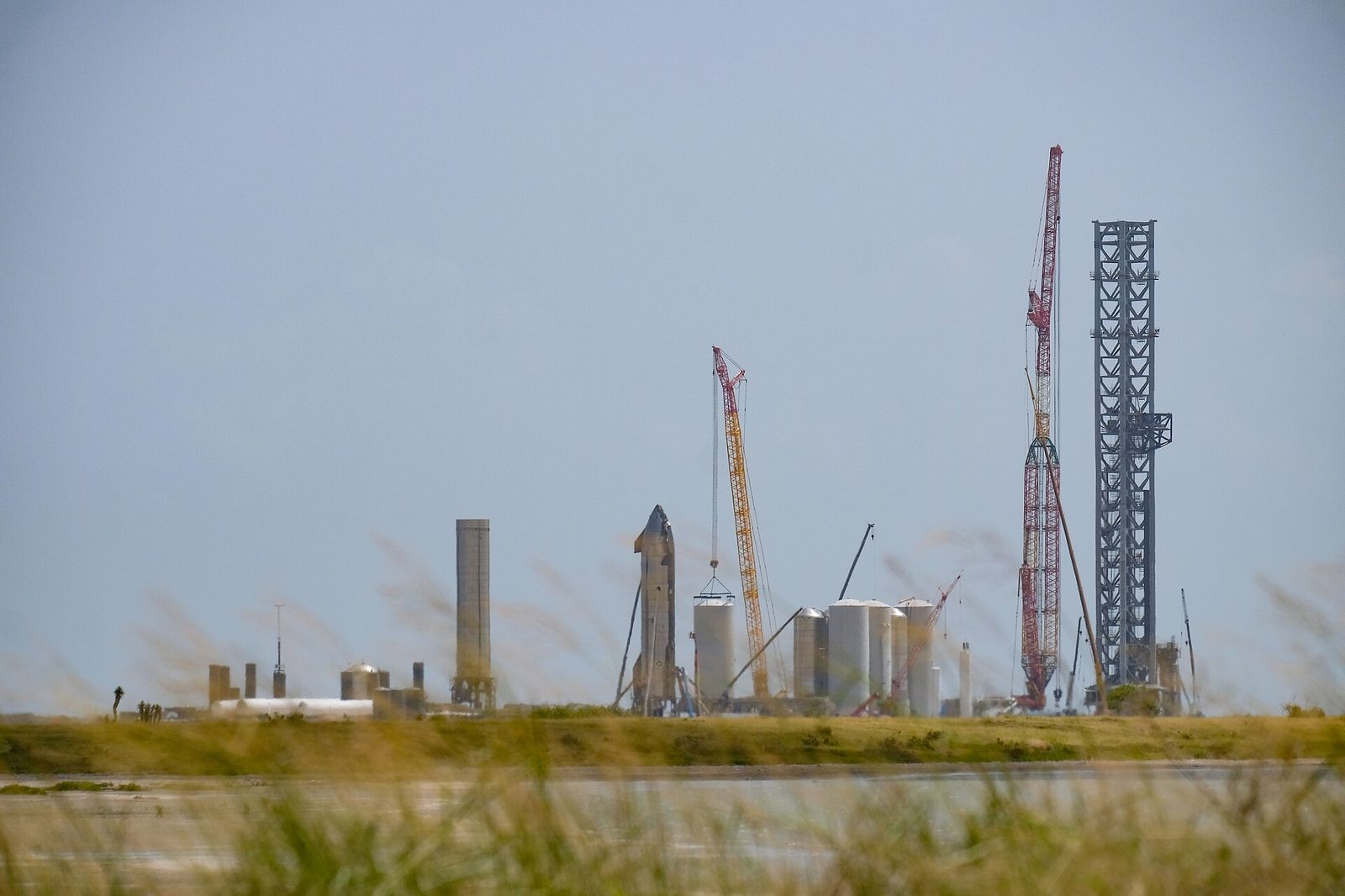
SpaceX's launch tower caught the Starship upper stage known as Ship 42 out of the air on Saturday afternoon, completing the first recovery of an orbital-class upper stage and the most ambitious test yet of the company's plan to make the world's largest rocket fully reusable.
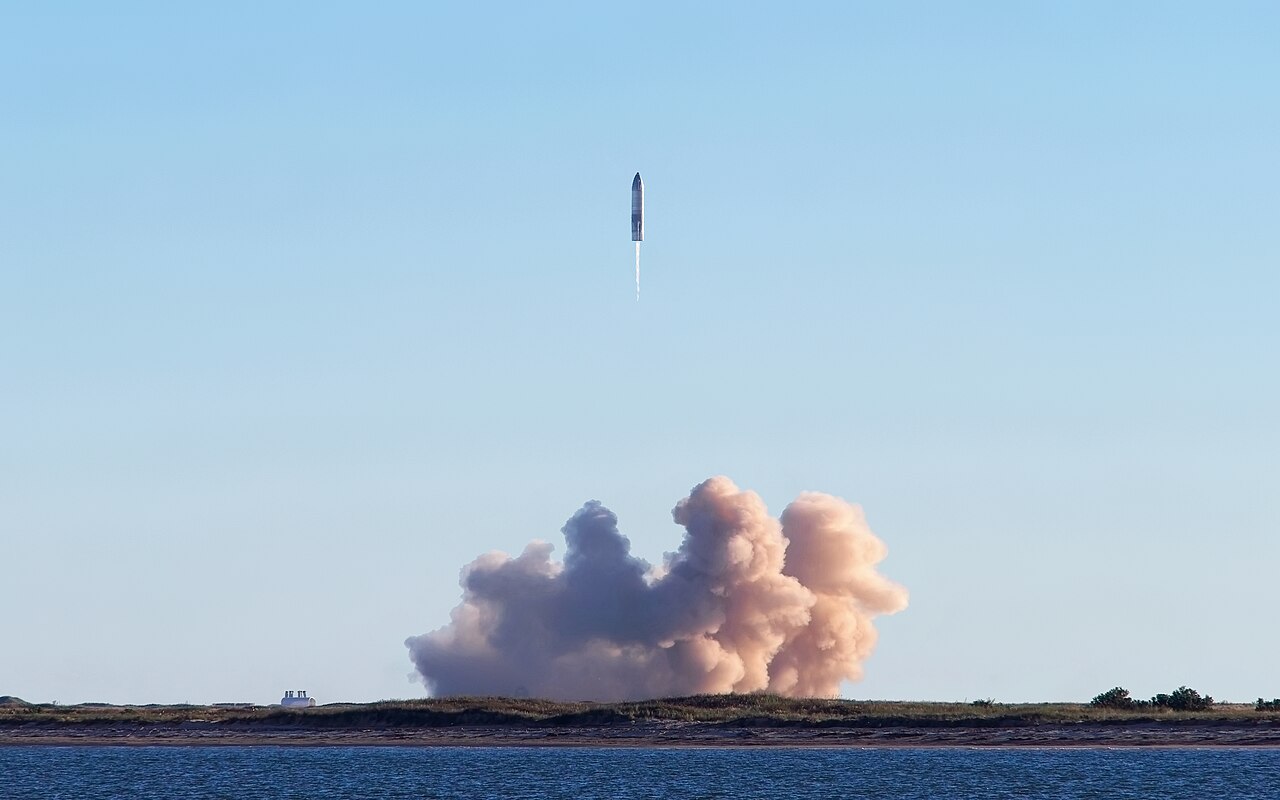
The catch capped a mission that began at 5:47 p.m. ET on Friday, November 13, when Flight 15 lifted off from Starbase in South Texas. SpaceX had set out to recover both stages of the vehicle at the launch site for the first time. Only one of them came home — but it was the one that had never been caught before.
A Day in Orbit, Then a Descent Into the Tower's Arms
After reaching orbit, Ship 42 deployed all 26 of its Version 3 Starlink satellites, then settled into a long coast of up to 14 orbits lasting about 22 and a half hours — Starship's longest sojourn in orbit so far. SpaceX kept fallback options open throughout, including early splashdowns off Hawaii and Chile if the ship's health had given any reason to doubt a landing attempt over Mexico and South Texas.
The homecoming began just after 3:30 p.m. ET on Saturday, when Ship 42 fired its engines to leave orbit and head back toward Starbase. Its final landing burn came at about 4:20 p.m. ET. The ship performed its signature "belly flop," tipping end over end and swinging its engine plumes downward to slow itself and slide precisely between the tower's two mechanical arms, which closed around the vehicle in midair.
SpaceX had caught returning Super Heavy boosters before — three previous boosters had been recovered by the tower — but no one had ever caught an upper stage returning from orbit. Scientific American described the result as a world first: an orbital-class rocket brought home and caught in one piece.
The Other Half of the Mission Did Not Come Home
The mission's first recovery attempt, minutes after launch, went the other way. Super Heavy Booster 22 was supposed to return to the launch pad about six and a half minutes after liftoff. Instead it diverted to a splashdown offshore in the Gulf of Mexico, exploded, and briefly rose back out of the sea as its remaining propellants burned off.
SpaceX commentator Dan Huot later clarified that the abort was not a failure of the guidance system itself. The guidance, navigation and control systems detected that the booster was not in the position needed to proceed with the catch, commanded the automated abort and sent it offshore — the system doing, in Huot's words, what it was supposed to do. Elon Musk attributed the diversion to a "slight underperformance of engines on this flight." Three boosters have been caught on earlier tests, but no Version 3 Super Heavy has yet returned successfully.
Why SpaceX Wants Both Stages Back
The point of catching rockets with a tower is turnaround: a stage that lands on its own mount, rather than in the ocean, can in principle be inspected and flown again quickly. That rapid reuse remains untested even after Flight 15. SpaceX must still show it can turn both a booster and a ship around for a fast return to flight. Musk has projected a cadence of roughly one Starship launch per week in the first half of 2027, a pace that would be impossible without exactly the kind of rapid reuse this flight was designed to prove.
The stakes run beyond the test programme. Starship is central to the build-out of the Starlink satellite internet constellation, because it can carry far larger and more frequent batches of satellites than the Falcon 9. It is also the vehicle SpaceX is developing as the human landing system for NASA's Artemis programme, which aims to return astronauts to the Moon before the end of 2028, with the Artemis III mission targeted for next summer. Before any crewed lunar flight, Starship still has to demonstrate in-space refuelling, which a Moon round trip requires.
Flight 15 also marked a step beyond its predecessor. Flight 14 reached orbit and deployed operational Starlink satellites, but ended early in the Pacific Ocean after an engine issue on the ship. This time the ship stayed up for nearly a full day, finished its work, and came back to the tower that launched it — the clearest demonstration yet that SpaceX's catch-everything approach can work for the whole vehicle, even if doing it twice in one mission remains out of reach.