Southeast Asian Leaders Open ASEAN Summit in Manila With Wars and Energy Costs on the Agenda
Southeast Asian leaders opened the 49th ASEAN Summit in Manila on Sunday, with the Middle East war, energy costs and regional disputes topping an agenda that also includes a visit by US President Donald Trump.
Southeast Asian leaders opened their annual summit in Manila on Sunday, gathering for three days of talks in which the war in the Middle East and its economic fallout are expected to feature prominently, alongside the bloc's own unresolved disputes over the South China Sea and the conflict in Myanmar.
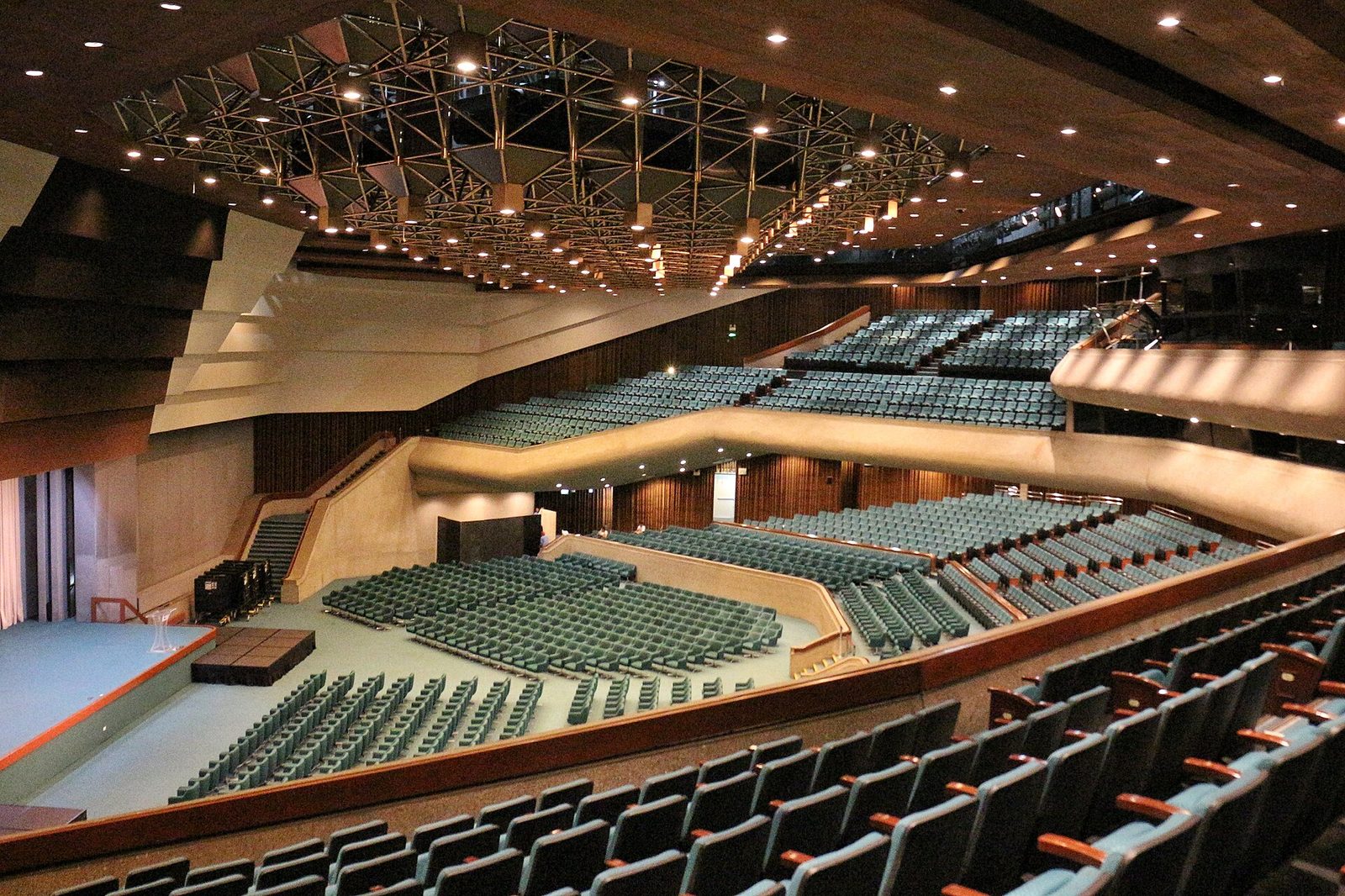
President Ferdinand Marcos Jr. of the Philippines, this year's chair, formally opened the 49th ASEAN Summit at the Philippine International Convention Center in Pasay City, under the theme "Navigating Our Future, Together." Marcos noted that his country, a diverse archipelago, was united by common aspirations, and he told fellow leaders that the region's problems are "reshaping our region faster than any one country can respond to alone." In a lighter moment that underlined the summit's local flavour, leaders rode electric tricycles from the opening ceremony to the plenary hall.
A Region Feeling the Shockwaves of a Distant War
Draft communiqués prepared for the summit focus heavily on the Middle East war, reflecting how directly the conflict reaches into Southeast Asian economies. Marcos recalled that during an earlier summit gathering in Cebu, developments in the Middle East had already disrupted transportation, energy and food supplies across the region.
Energy security is high on the agenda for the bloc's import-dependent economies. Measures under discussion include fuel stockpiling, and a proposal for joint oil reserves remains under study rather than an operating arrangement. For governments already managing the cost of imported fuel and food, the war's effect on shipping routes and energy prices is an immediate domestic concern, not a distant diplomatic one.
The Philippines has set three priorities for its chairship — peace and security anchors, prosperity corridors, and people empowerment — aligned with the ASEAN Community Vision 2045. The agenda also covers maritime cooperation and joint efforts against human trafficking, cybercrime and online scams, which have become persistent regional problems.
Old Disputes: The South China Sea and Myanmar
Alongside the newer crises, the summit returns to disputes that have tested the bloc's unity for years. Draft statement language stresses the importance of international law and the United Nations Charter, along with freedom of navigation and overflight — wording directed at tensions in the South China Sea, where several member states have competing claims with China. Leaders are expected to renew calls for self-restraint and the peaceful resolution of disputes.
Myanmar, where a civil war continues, is also on the agenda, including a review of the bloc's Five-Point Consensus peace plan. Progress on both files has been slow, and diplomats say the summit is more likely to restate shared principles than to announce breakthroughs.
On the economic side, leaders are pursuing an ASEAN Digital Economy Framework Agreement, deeper work on an ASEAN Power Grid, stronger trade and supply-chain links, and support for micro, small and medium-sized enterprises. The Manila meeting is the final summit gathering of the Philippines' 2026 chairmanship before Singapore takes over in 2027, with a handover ceremony scheduled for November 17.
The three days are packed well beyond the plenary sessions. All 11 member states are represented, and Monday and Tuesday bring a series of "Plus One" summits with individual partners — Australia, China, India, Japan, South Korea, the United Nations and the United States — followed on November 17 by the 29th ASEAN Plus Three summit and the 21st East Asia Summit. The working agenda reaches into practical regional problems as well, including transboundary haze and a concept note for an ASEAN Maritime Centre.
The Guests Still to Come
Much of the week's diplomacy will happen around the edges of the summit. China's Premier Li Qiang is due to meet ASEAN leaders on Monday and leave before the most prominent late arrival. US President Donald Trump is expected to land on Tuesday afternoon, after the main meetings, accompanied by Secretary of State Marco Rubio. He is scheduled to join three meetings, including a session of the Quadrilateral Security Dialogue with Japan, Australia and India, and a special ASEAN summit, before meeting Marcos on Wednesday and flying on to Shenzhen for the APEC summit.
That sequencing — Beijing's premier engaging the bloc first, Washington's president arriving as the main meetings wind down — captures the balancing act ASEAN performs between the two powers. The bloc's leaders insist the answer is to keep both engaged while insisting on the region's own centrality. The statements adopted this week will show how that formula holds under the pressure of a war in the Middle East, an energy crunch at home and disputes that refuse to go away.