Flights Resume After FAA Ground Stop, but Recovery From the Communications Failure Will Take Days
Flights across the United States resumed after the FAA lifted a nationwide ground stop that lasted more than four hours, but officials warned recovery would be slow after a communications failure disrupted travel for an estimated 1.5 million passengers.
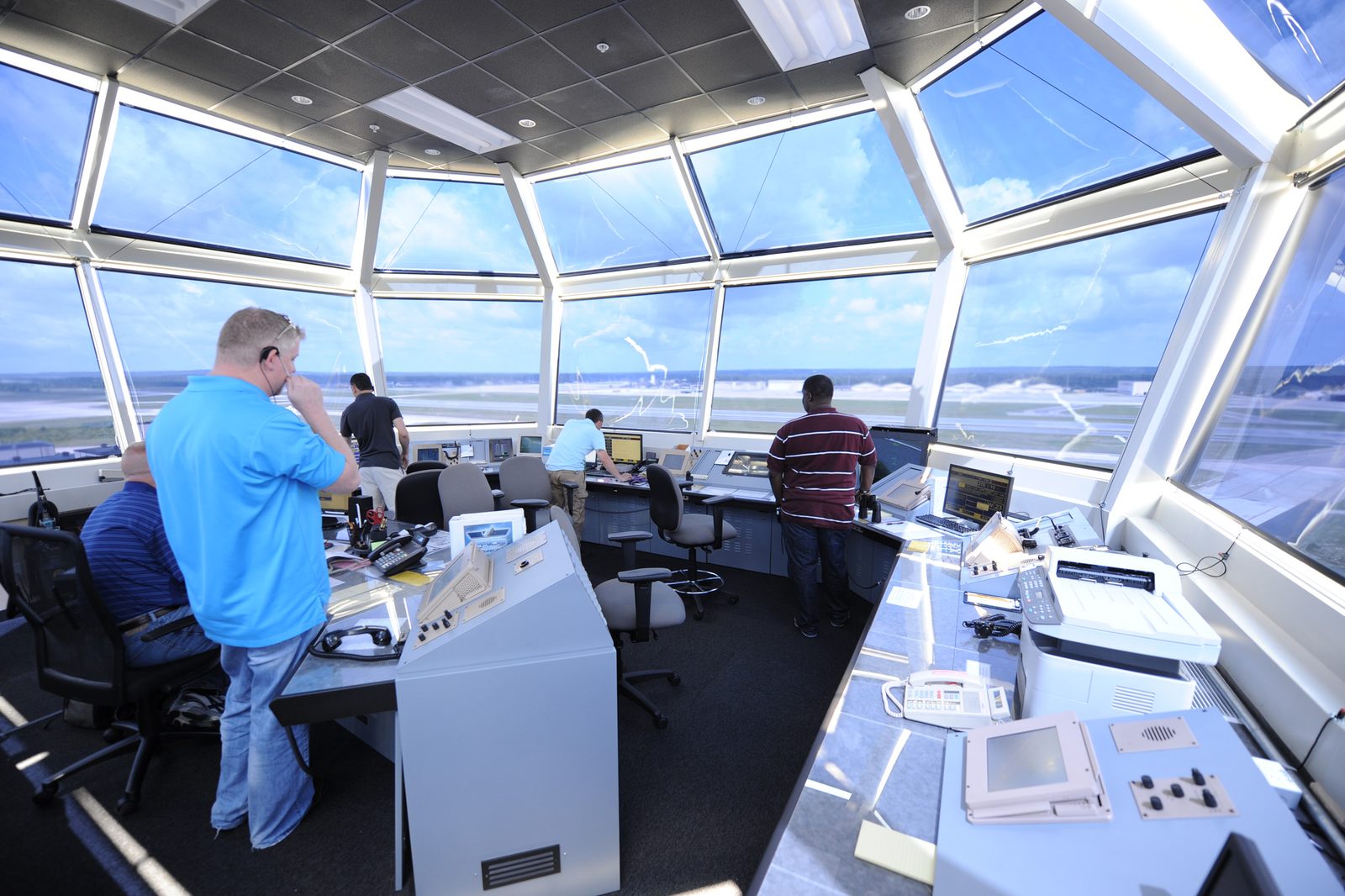
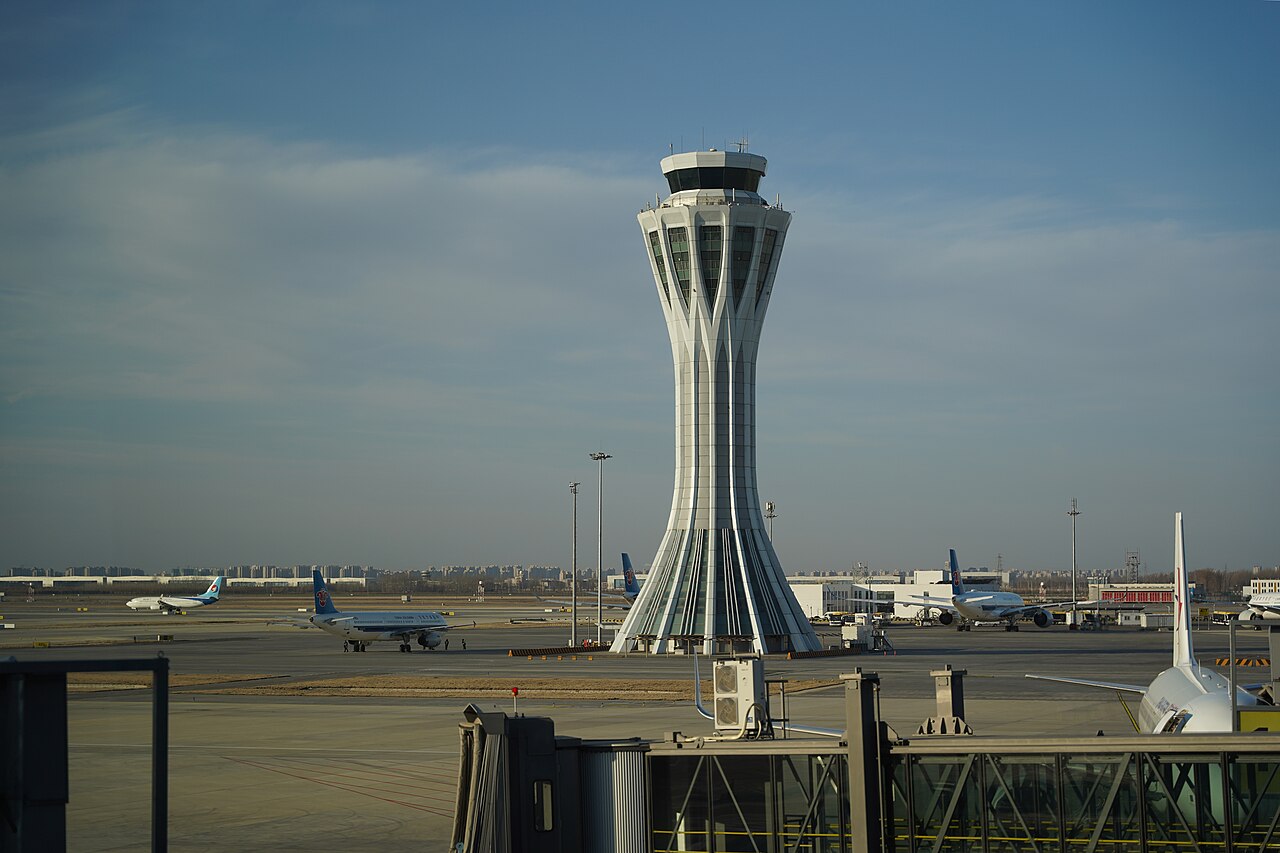
Air travel in the United States was slowly returning to normal after the Federal Aviation Administration lifted a nationwide ground stop that had halted departures for more than four hours on Friday, in one of the most serious single failures of the country's air traffic control system in decades.
The FAA imposed the stop shortly before 4 p.m. Eastern Time on Friday, citing extraordinary circumstances and reasons of safety, after instability appeared in the radar and communications systems used by controllers. Transportation Secretary Sean Duffy said the problems began at about 3:36 p.m., when telecommunications issues surfaced at control centres and approach facilities across the country. More than 3,500 aircraft were already in the air when the order took effect, and those flights were allowed to continue to their destinations. Exceptions were made for medical evacuation flights, life-saving cargo and law enforcement operations.
The stop was lifted at about 8:15 p.m. Eastern, and airlines began resuming departures on Friday evening. Delta Air Lines said it was safely resuming services, United Airlines restarted operations including some Friday night flights, and other major carriers, including American and Southwest, also began flying again. JetBlue said it would resume flights on Saturday morning. It was only the third nationwide ground stop in United States history, after the one ordered following the September 11, 2001 attacks and a system failure in 2023.
The scale of the disruption
Although the stop itself lasted a little over four hours, its effects rippled through airline networks for far longer, because aircraft and crews were left out of position across the country. FlightAware counted more than 4,000 cancelled flights and more than 10,000 delays, while the aviation analytics company Cirium estimated that about 1.5 million passengers were stranded or disrupted.
Airports continued to report heavy delays and cancellations on Saturday as airlines worked through the backlog. At Phoenix Sky Harbor International Airport, for example, hundreds of flights were delayed or cancelled on Saturday, a day after the stop was lifted. FAA Administrator Bryan Bedford warned that up to 5,000 additional flights could still be cancelled as the recovery continued, although he said he expected operations to return to normal by Sunday. Duffy cautioned that the recovery would be gradual while crews and aircraft were repositioned, but said operations should stabilise before the busy Thanksgiving travel period.
What went wrong inside the network
Officials said the preliminary explanation pointed to routine modernisation work at a remote FAA facility. According to Duffy, a contractor was replacing an ageing copper communications line with fibre-optic cable when a newly installed router began flooding other routers on the network with data, producing inconsistencies in the information reaching controllers. Because of that inconsistency, the agency shut the system down.
Duffy said investigators were still working to establish whether the failure resulted from an installation error or from a faulty router. The work was being carried out by L3Harris, the contractor that supports the FAA's communications infrastructure, and the company said it had been working with the agency to modernise the network. Officials stressed that the early explanation was not a final technical finding.
Both Duffy and Homeland Security Secretary Markwayne Mullin said there was no indication that the outage was caused by a cyberattack or any other hostile act. Bedford likewise said preliminary evidence did not point to a cyberattack, and officials said the FAA's recently introduced artificial intelligence forecasting tool for controllers was not identified as a cause. The FAA also confirmed that it had not lost all radar or telecommunications capability during the incident.
The argument over an ageing system
The failure has renewed a political argument in Washington over the condition of the air traffic control network. Duffy blamed decades-old, analogue technology for the breakdown, describing the existing system as a legacy network, and he appealed to Congress for 50 billion dollars to fund upgrades. He argued that the outage demonstrated why the modernisation programme could not wait.
For passengers, the immediate questions concern refunds, rebooking and how quickly schedules can be rebuilt. Airlines spent the weekend repositioning aircraft and crews, and officials acknowledged that disruption could continue even after the network itself was declared stable. The FAA said the ground stop had been the right decision to keep travellers safe, and Bedford apologised for the disruption it caused.
An investigation into the precise cause is continuing. Whatever it concludes, Friday's stoppage has underlined how dependent the world's largest aviation market remains on communications equipment that its own transportation secretary describes as obsolete, and how a failure at a single facility can still bring departures to a halt from coast to coast.