Fuel crisis and street protests put Chile's President Kast under pressure after eight months in office
Fuel price protests and a truckers' blockade have pushed Chile's President José Antonio Kast onto the back foot, just eight months into his presidency, as his approval rating falls to 24 per cent.
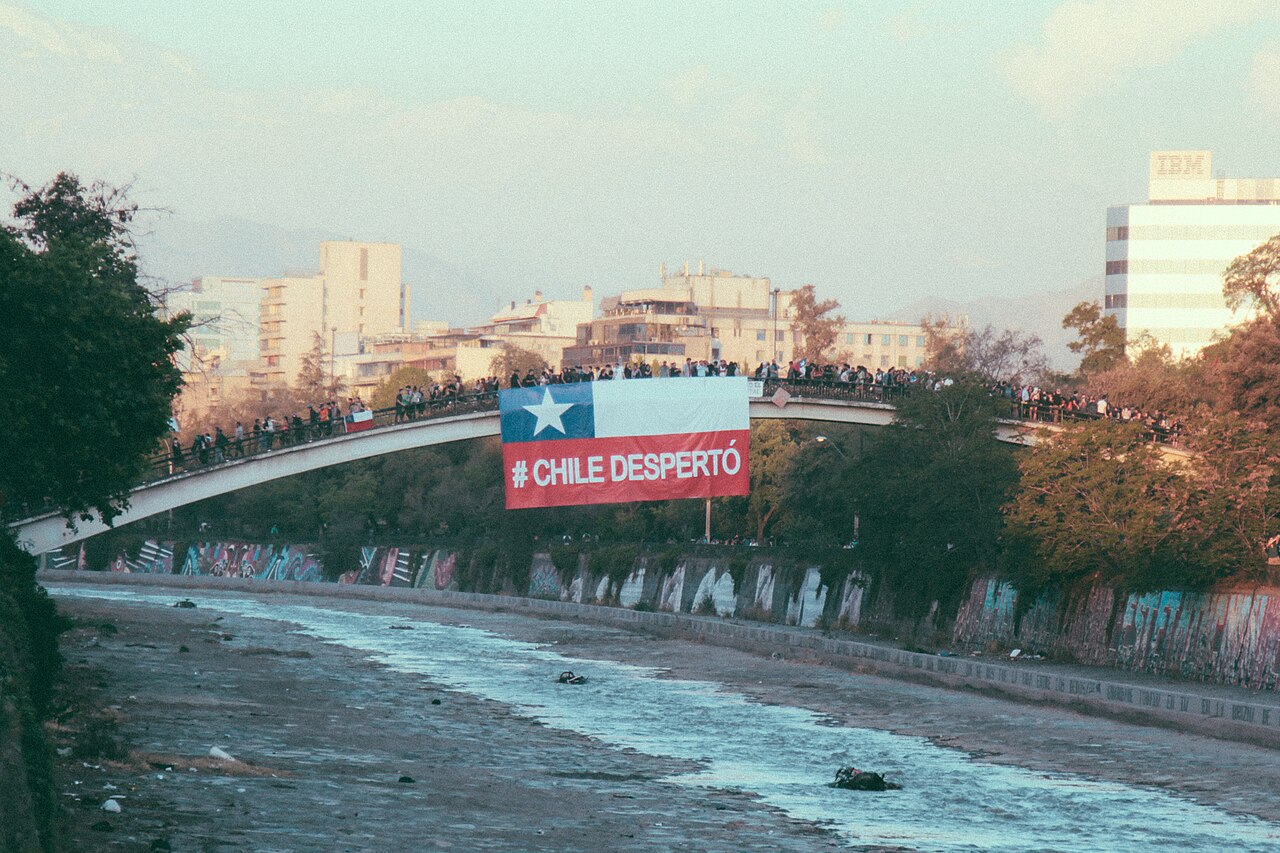
Chile's ultraconservative President José Antonio Kast is on the back foot after just eight months in power, with his approval rating down to 24 per cent in the polls as fuel price protests and street marches pile pressure on his government.
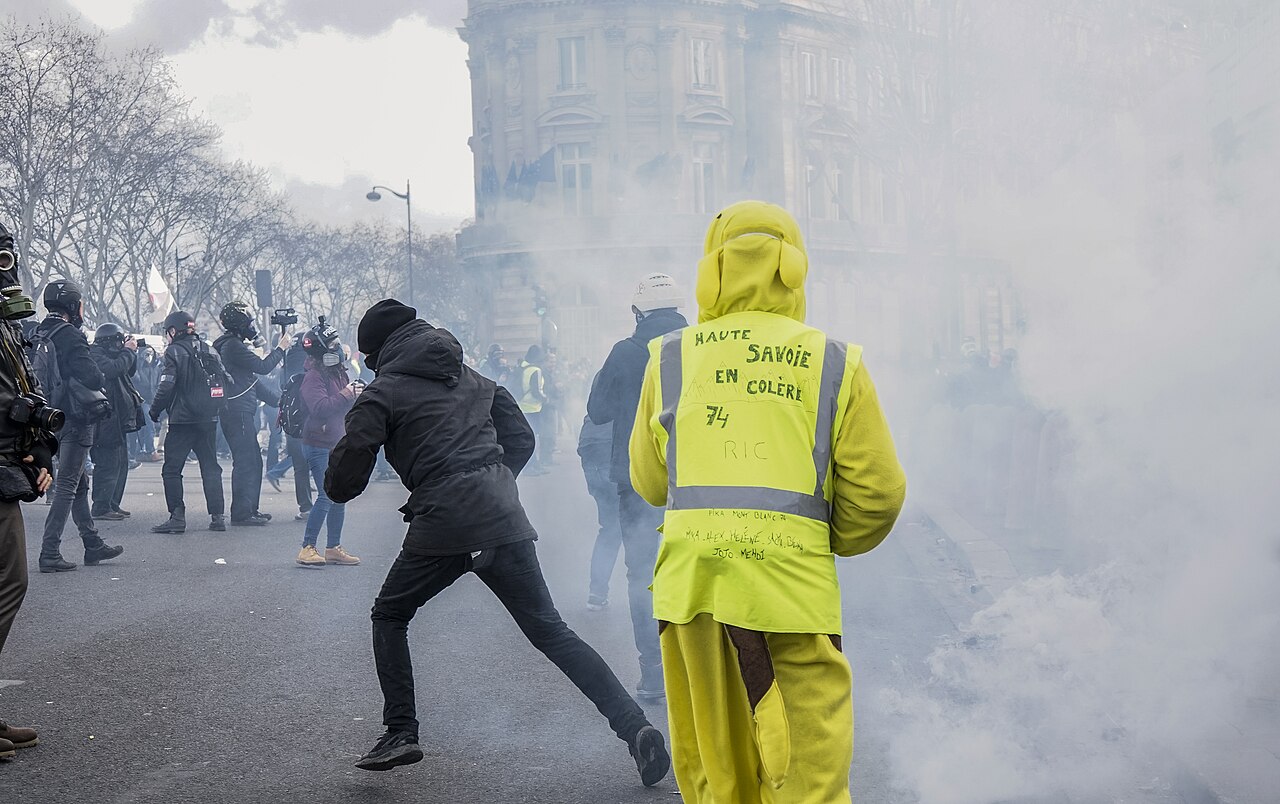
Kast won the presidency in December 2025 by focusing his campaign on illegal immigration and public security, and by avoiding mention of his hardline stances on social matters. Eight months on, the issues he avoided are now at the centre of the protests against him, alongside a cost-of-living crisis that has brought truckers, students and workers onto the streets together.
This week, Chile's truckers' unions blockaded two major highways in protest at rising fuel prices. On Friday, the strike was broken after the government backed down and sent a bill to Congress that will reverse planned fuel price rises. The bill is expected to be approved this month, but public anger over the cost of living continues to grow.
The president's troubles go beyond fuel. His budget proposal, making its way through Congress, seeks cuts to education, culture, science and a host of social programmes, and protesters say the cuts would undo gains that Chileans won through years of demonstrations.
A presidency under strain
Kast's government has been hit by a series of damaging revelations since he took office. Last month it emerged that his government had signed decrees to cut the sentences of 56 prisoners whose crimes range from the rape of children to human rights violations committed during the dictatorship era. Kast has admitted that the decision was an "error", but he has stood by the undersecretary who signed the decrees.
That episode has become a rallying point for protesters. At a march in Santiago on Friday evening, a 30-year-old architect, Simón Echavarría, told NPR that the government was pushing through measures nobody had asked for, on environmental issues and human rights, including reducing the sentences of people convicted of sexual offences against children.
The fuel crisis that ignited the streets
The immediate trigger for the latest unrest was fuel. In July, Kast's government chose not to apply an anti-inflation tool available to the Chilean state to ease the rise in fuel prices brought about by the US-Israeli war with Iran. Protests exploded as prices shot up overnight and motorists joined long queues at petrol stations.
The truckers' blockade this week was the latest escalation. By closing two major highways, the unions brought the dispute to the centre of national life, and the government's decision to back down and send a bill to Congress to reverse the planned price rises showed how much pressure it was under.
The bill is expected to pass this month, but the climbdown may not be enough to calm the streets. The cost of living has become the organising issue for a protest movement that also includes students marching against education cuts and citizens angry about the sentence reductions.
Kast's budget proposal adds to the sense of a government cutting back in the wrong places, in the eyes of its critics. Education, culture, science and social programmes are all in line for cuts, and the protesters argue that the burden of the economic squeeze is falling on ordinary families while the government offers them less in return.
A regional pattern
Chile is not the only country in the region where a right-wing leader is facing falling support. In Argentina, the far-right libertarian Javier Milei faces re-election in less than a year, with 60 per cent of voters disapproving of his leadership amid spiralling inflation, according to polling cited by NPR.
In Peru, President Keiko Fujimori faces growing discontent, with 53 per cent disapproving of her leadership, according to a recent Ipsos poll.
The three leaders came to power promising order, security and economic discipline. All three are now finding that the cost of living, and the cuts made in the name of balancing the books, can turn public opinion against a government quickly.
For Kast, the test is whether the climbdown on fuel prices is enough to buy him time. His approval rating of 24 per cent leaves him little room for further mistakes, and the protests in Santiago show that his opponents are organised, angry and willing to stay on the streets.
Eight months into his presidency, the president who won by talking about immigration and security is being judged on fuel prices, school budgets and the sentences of convicted criminals. How he handles the coming weeks, and whether the bill to reverse the fuel rises calms the truckers and the wider protest movement, will shape the rest of his time in office.