Europe Wins a Seat at Ukraine Peace Talks, but Russia Stays Noncommittal
Europe will take a seat at the next round of Ukraine peace talks after US envoys met Vladimir Putin and Volodymyr Zelensky, but the Kremlin has not endorsed the plan and fighting continues.
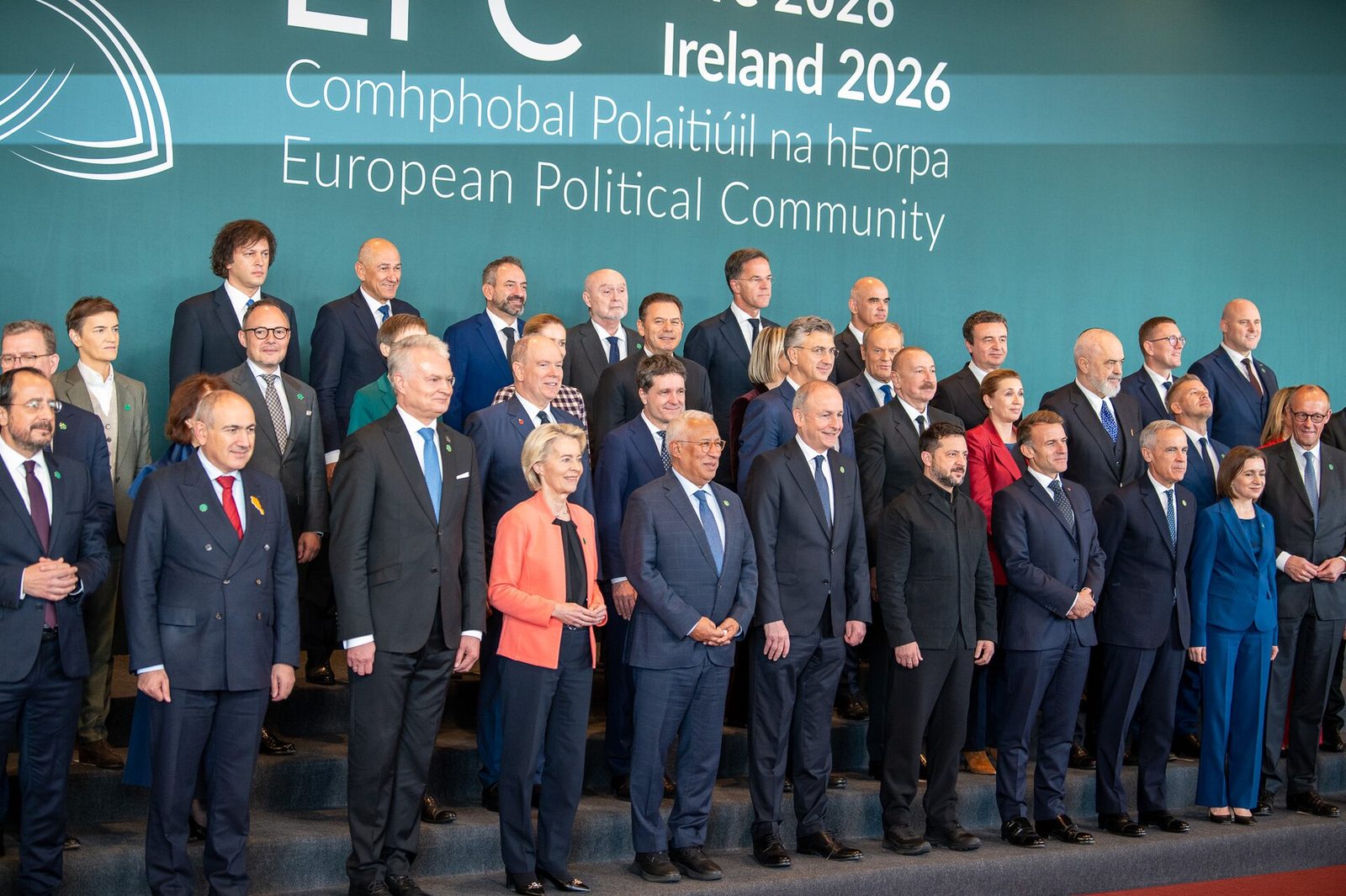
Europe will be represented at the next round of talks on ending the war in Ukraine, American envoys said after meetings with Russian President Vladimir Putin in Moscow and Ukrainian President Volodymyr Zelensky in Dublin, though the Kremlin pointedly declined to confirm that it had agreed to a European role in the negotiations.
The announcement capped days of shuttle diplomacy by US envoys Steve Witkoff and Jared Kushner. Kushner said in a social media post that both sides had agreed to a European presence at the next meeting, and Witkoff described the step as "a very big deal." Zelensky, speaking in Dublin, where European leaders had gathered for a summit, welcomed the development. He also pointed to an agreed prisoner-of-war exchange, which he called the biggest since the war began, as evidence that the renewed diplomatic push was producing results.
A Seat at the Table After Two Years Outside
European Council President António Costa set out who would speak for the continent: the institutions of the European Union together with the so-called E5 — France, Germany, Italy, Poland and the United Kingdom. Costa said there was "full unity" behind the arrangement and close coordination with all member states. German Chancellor Friedrich Merz said there would be "no surprises" for Washington and that the Europeans would act as "part of Team Europe."
For nearly two years, European governments have largely watched from the sidelines as the United States led the diplomacy, even though the war is being fought on their continent and European countries are among Ukraine's biggest financial and military backers. The European Union's foreign policy chief, Kaja Kallas, has argued that excluding Europe weakened the process and left decisions about the continent's security to others. Kushner himself hinted at one reason Europe had been kept at arm's length, suggesting the Europeans should "identify one person to speak on their behalf" — a remark that underlined how fragmented Europe's voice has sometimes appeared in Washington.
Kushner argued that an expanded format would allow negotiators to address postwar European security alongside the territorial questions at the heart of the war. That linkage matters to European governments, which want any settlement to include durable security arrangements rather than a pause that Moscow could use to regroup.
Moscow Neither Endorses Nor Rejects
The Kremlin's response was notably cooler than the American account. Spokesman Dmitry Peskov said Europe would have to show a willingness to contribute to a settlement and have an authorised representative at the table, and the Kremlin neither endorsed nor rejected the idea outright. Putin said Moscow had never opposed dialogue with Europe, while describing territory as a bone of contention between the two sides.
Other Russian voices were blunter. Presidential aide Yury Ushakov played down the prospect of European participation, saying Europeans "must decide whether they want peace or the continuation of the war." Foreign Minister Sergey Lavrov criticised European involvement in earlier talks held in the United Arab Emirates. Most strikingly, Foreign Ministry spokeswoman Maria Zakharova contradicted Kushner directly, saying Putin had not discussed including European representatives when he met Witkoff and Kushner on November 12.
Analysts at the Institute for the Study of War assessed that Moscow might accept Europeans at talks about a new European security architecture, but not at negotiations on resolving the war in Ukraine itself. That distinction would keep Europe in the building while keeping it away from the decisions that matter most to Kyiv — and it helps explain why European officials are treating the announcement as an opening rather than a settled outcome.
Fighting Continues as Talks Are Arranged
Witkoff said trilateral talks had restarted and a new meeting had been set, although no date or venue for the expanded session has been announced. What Europe's seat will mean in practice — full participation in every session, or a narrower role on security questions — has not been spelled out by any of the parties.
On the ground, the war did not pause for the diplomacy. Regional officials in Ukraine said at least 10 people were killed and 48 injured in Russian attacks on Thursday and Friday. Russia, for its part, claimed its air defences had intercepted about 1,198 Ukrainian drones overnight into Friday, a figure that could not be independently verified.
Whether Europe's new seat comes with real influence will depend on what is actually negotiated when the parties next meet, and on whether Moscow treats the European representatives as participants or as observers. For now, the continent has been invited back into the room. What it will be allowed to decide there remains an open question.