Copper-wire upgrade blamed for US flight ground stop that hit 1.5 million travellers
A copper-wire upgrade to America's air traffic control system caused the nationwide ground stop that stranded about 1.5 million travellers, the US transport secretary has said.
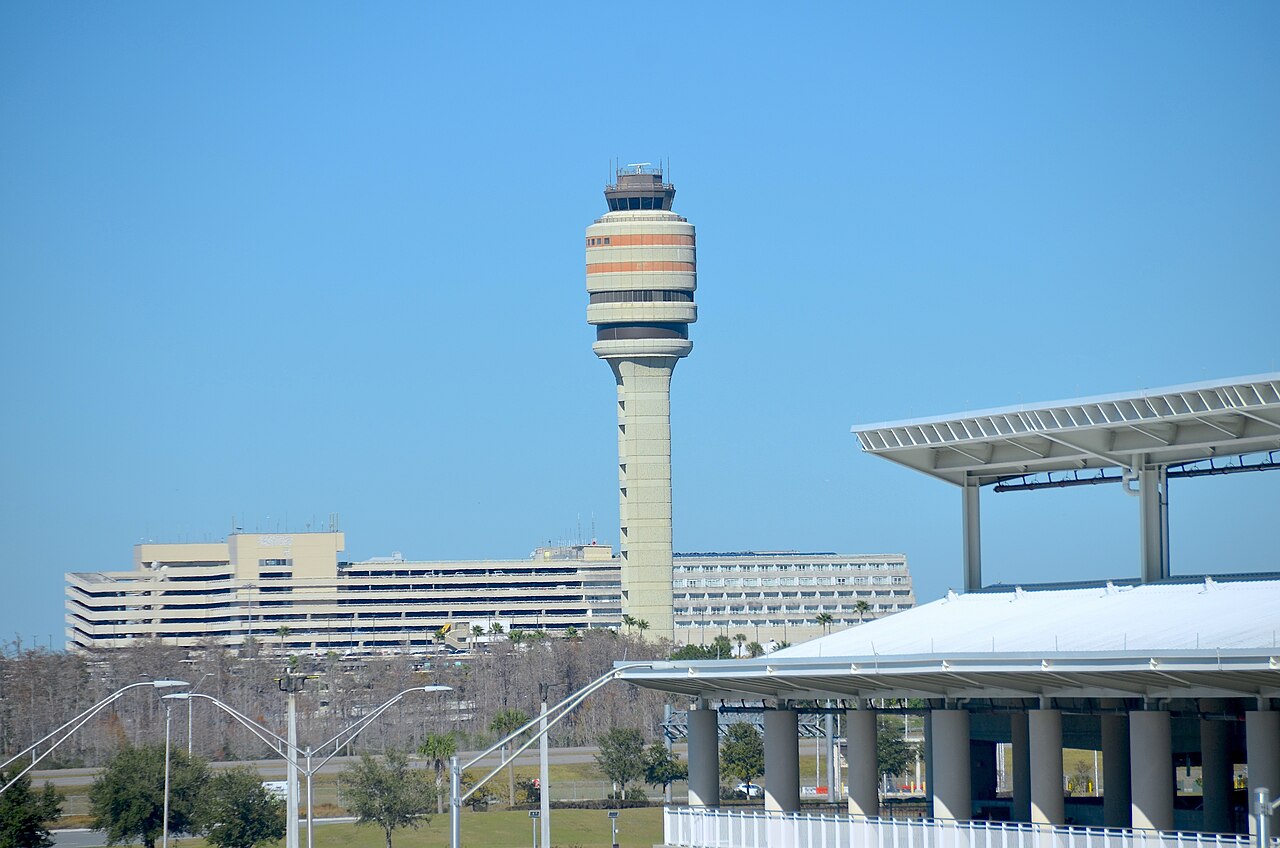
A routine upgrade to replace ageing copper wire in America's air traffic control system caused the nationwide ground stop that stranded about 1.5 million travellers on Friday, the United States transport secretary has said, after a router being worked on flooded the network with traffic.
Sean Duffy said maintenance to switch the system from copper wire to fibre-optic cable was being carried out by the contractor L3Harris when a router started flooding other air traffic control systems, creating communication problems with aircraft and forcing the shutdown on safety grounds.
The four-hour suspension began at 3.54pm Eastern Time on Friday and was lifted on Friday evening. It was the longest such incident since flights were banned for several days after the attacks of 11 September 2001, and its effects rippled through the weekend, with thousands more flights cancelled on Saturday.
The government is now trying to determine whether the cause was incompetence by the company carrying out the upgrades or faulty equipment.
What went wrong
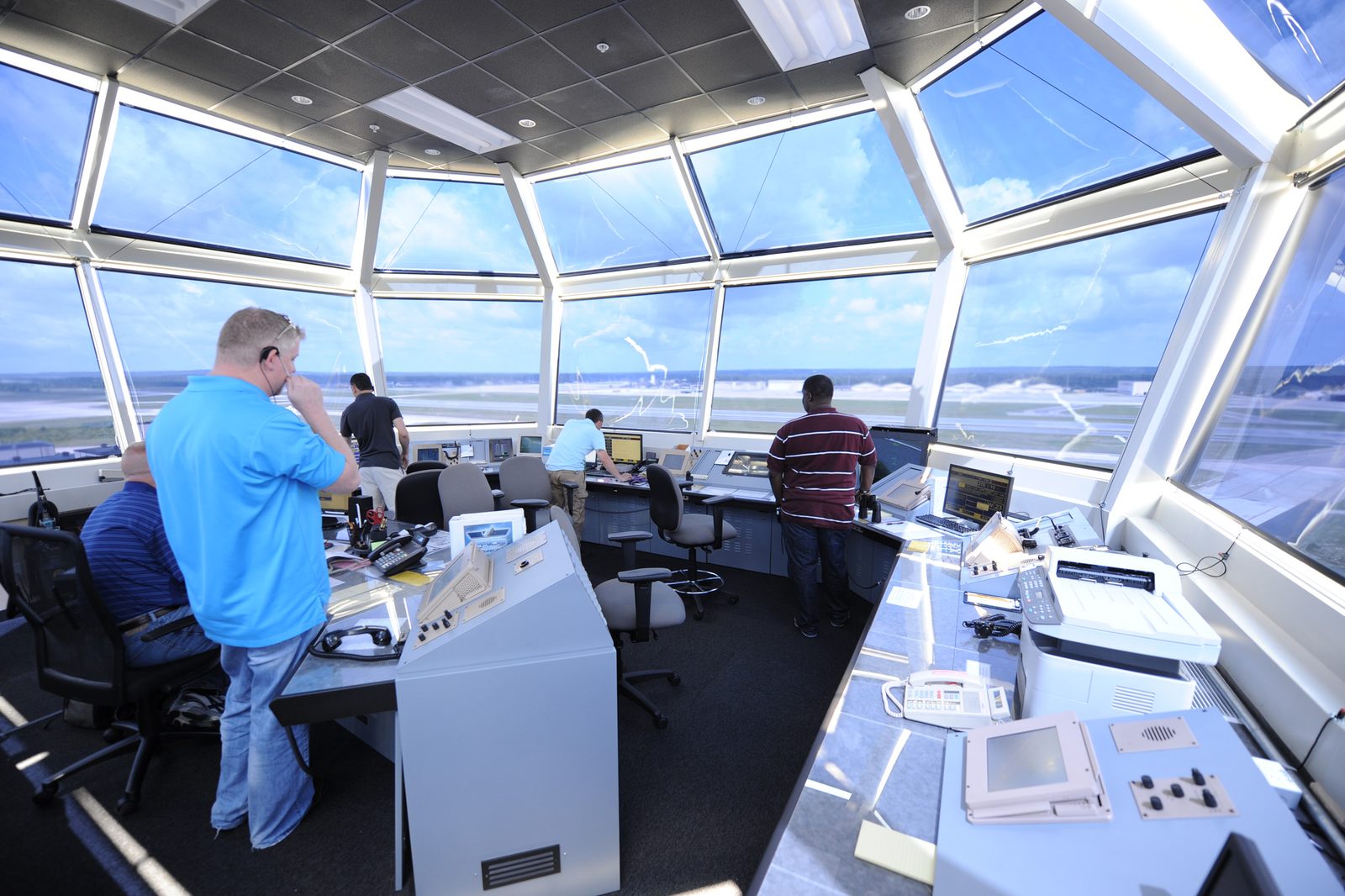
The ground stop was ordered after air traffic controllers began losing reliable communication with aircraft, a failure no aviation authority can tolerate. With controllers unable to be sure they could talk to the planes in their airspace, the Federal Aviation Administration took the decision to stop all flights rather than risk an accident.
More than 15,000 flights in the United States were delayed or cancelled on Friday, affecting an estimated 1.5 million passengers. Some were left stuck on planes on the tarmac, and flights out of the United Kingdom and Europe were also cancelled as the disruption spread beyond American airspace.
The knock-on effects continued into Saturday, when more than 5,900 flights were cancelled and 7,000 delayed. The FAA said the American flight schedule should return to normal by the end of Sunday, but for many travellers the weekend was already lost.
Officials were quick to rule out the explanations that would have been most alarming. The head of the FAA, Bryan Bedford, said there was no evidence of anything nefarious and no evidence of anything related to artificial intelligence. Officials said they did not believe the failure was a cyber-attack or the work of a rogue AI agent.
L3Harris, the contractor carrying out the modernisation work, said it took the nationwide ground stop and its impact on travellers, airlines and air traffic operations seriously. The company said it had completed more than 70 percent of its modernisation work before the shutdown, a figure that now looks less reassuring than it did a week ago.
A system running on borrowed time
The irony is that the failure happened during work meant to fix the very problem that caused it. The copper wire at the centre of the incident was so old, Duffy said, that it was being discontinued.
President Donald Trump has requested 30.1 billion dollars for air traffic control upgrades, and Duffy had previously said the system needed a 50 billion dollar overhaul. The scale of those figures gives a sense of how far behind the system has fallen, and how expensive catching up will be.
A nationwide ground stop had only been ordered once before since the ban on flights after September 11. The last serious failure came in 2023, when a fault in the Notice to Air Missions system prompted a grounding of one hour and 52 minutes, delaying about 9,500 flights and cancelling about 1,300.
Friday's stoppage was more than twice as long and affected far more people.
Former Transportation Security Administration chief John Pistole struck a cautiously optimistic note, saying that getting the system restarted in four and a half hours was good news and showed resilience in the system. But he added the question that will hang over the investigation: what is to say it is not going to happen tomorrow?
What happens next
The immediate priority is getting the schedule back to normal and accounting for the travellers still stranded. The longer question is who bears responsibility for the failure, and whether the modernisation programme that caused it can be trusted to continue.
If the investigation finds that the contractor made an avoidable error while working on a live system, the consequences for L3Harris could be severe, and the programme could face delays while new safeguards are put in place. If the fault lay in the equipment itself, the questions will turn to the procurement and testing of the hardware being installed across the country.
For passengers, the lesson is simpler. A system that carries millions of people every day was brought to a standstill by work on a single piece of ageing wire.