Nearly $20m in cash found hidden in forests and farm buildings in Hungary corruption probe
Hungarian investigators have found nearly $20 million in cash hidden in forests, safes and farm buildings during a corruption investigation into a former minister of Viktor Orbán.
Nearly $20m (£14.8m) in cash has been found hidden in farm buildings and buried in forests as part of an investigation into a former minister of Viktor Orbán, Hungarian authorities have said.
Miklós Seszták, who served as minister of national development for four of the former prime minister's 16 years in power, is accused of accepting bribes as part of a scheme involving the state transport company. He has denied any wrongdoing.
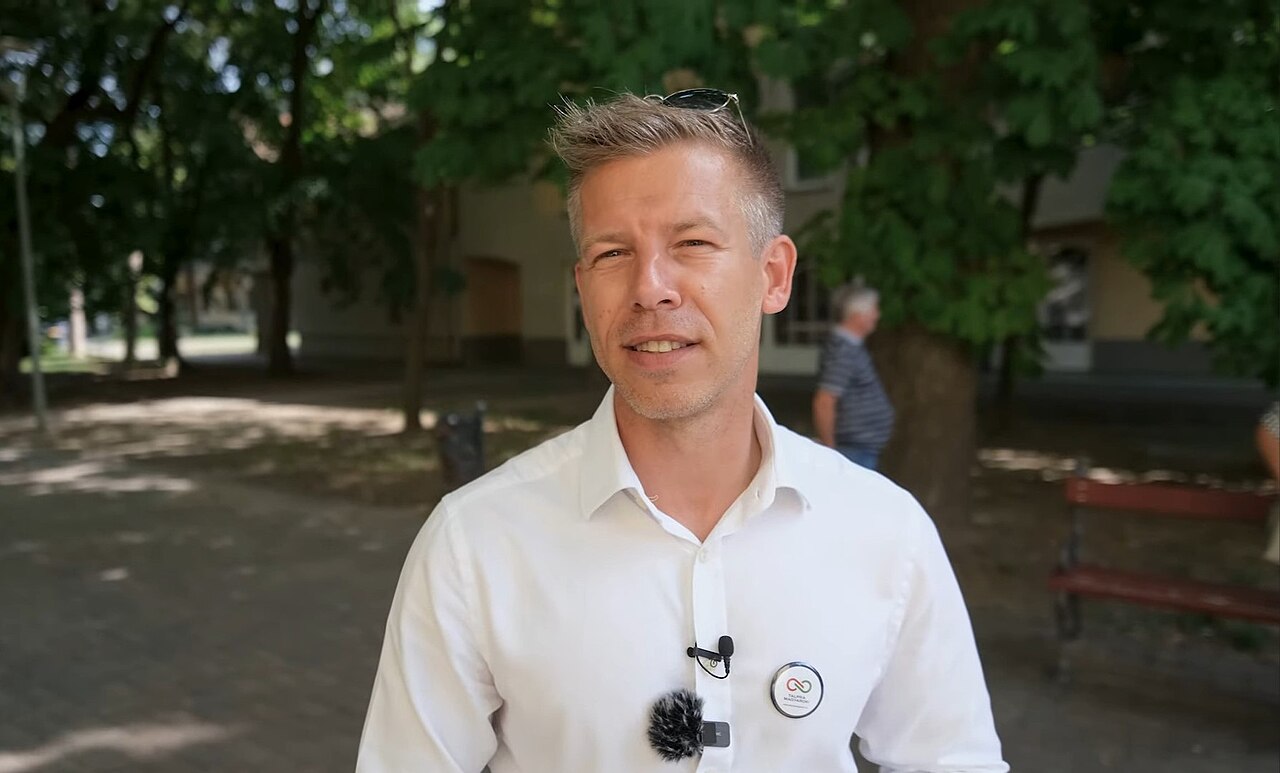
Hungary's new Prime Minister, Péter Magyar, who unseated Mr Orbán in a landslide election in April on the promise of launching a sweeping anti-corruption drive, described the discovery on Friday as the end of the "mafia". The find came after a two-day search for the cash in secluded locations across the country.
Investigators found wads of banknotes in safes, buried in woodlands and hidden in agricultural and residential buildings and warehouses, the National Asset Recovery and Protection Office (NVVH) said in a statement. The cash amounted to 5,071,632,000 forints, €2,658,350 and $1,257,100, it added, bringing the combined value to $19.5m. It has been deposited into the Hungarian State Treasury, the body said.
The NVVH was established to investigate allegations of corruption during the Orbán era, which Mr Magyar has dubbed "Operation Purgatory". Mr Magyar promised Hungarians "regime change" during the election earlier this year and has set about undoing many Orbán-era policies since entering office.
The discovery is the most dramatic moment yet in a campaign that has dominated Hungarian politics since the April election. For Mr Magyar, it is evidence that the system he promised to dismantle was as corrupt as he claimed. For Mr Orbán and his allies, it is the opening of a political war — one they say is being fought with prosecutions rather than votes.
A probe that reaches deep into the old government
Allegations of corruption and cronyism have long dogged Mr Orbán, who during his tenure turned Hungary into what the European Union characterised as an "electoral autocracy". His government faced accusations of offering lucrative government projects to allies. Mr Orbán has strongly denied the claims.
Two of his former ministers, including Mr Seszták, and the former central bank chief György Matolcsy have been under arrest since September over accusations of graft in separate investigations. They all deny wrongdoing.
On Monday, Hungarian authorities also detained Mr Orbán's brother and three others as part of a people-smuggling case. The former prime minister dismissed it as political revenge, saying: "In this dirty game, the aim is the elimination of the political opponent and the establishment of a one-party system. I am the target, my younger brother is just a tool."
The money trail
The NVVH said the cash was found in safes, buried in woodlands and hidden in agricultural and residential buildings and warehouses. The sheer spread of the hiding places — forests, farms, homes and storage buildings across the country — suggests the money was deliberately scattered to avoid detection, and that investigators had to work through a long list of locations over two days.
Hungarian investigators said some of the cash was buried in forestry, and photographs released by the authorities showed bundles of banknotes packed into safes and containers. The money has now been deposited into the Hungarian State Treasury.
What the find means for Hungary's new government
Mr Magyar won the April election in a landslide, unseating a prime minister who had dominated Hungarian politics for a decade and a half. He did so on a promise to clean up public life, and the anti-corruption drive has become the defining project of his young government.
The NVVH was created specifically to investigate allegations of corruption during the Orbán era, and its work has moved quickly. The arrests in September of two former ministers and the former central bank chief were the first signal of how far the new government intended to go. The discovery of nearly $20m in cash is the second — and a far more visible one.
For Mr Orbán, the investigations are an attack on his legacy and on his political movement. He has framed them as revenge by a new government determined to eliminate its opponents, and his comments about his brother's detention make clear that he sees the cases as personal as well as political.
For Mr Magyar, the risk runs the other way. Anti-corruption drives that begin with dramatic raids can lose credibility if they do not end in convictions, and the cases against Mr Seszták, Mr Matolcsy and others are still at the investigation stage. All of those accused deny wrongdoing, and none has been convicted.
What is certain is that the discovery has given Mr Magyar's government its most powerful image yet: banknotes pulled from forests and farm buildings, counted in the billions of forints, and deposited into the treasury. Whether that image becomes the symbol of a clean-up or of a political vendetta will depend on what the courts decide next — and on whether more cash is found in the forests still to be searched.